Where Should You Stay in Paris
A Neighborhood Guide Based on How You Want to Travel
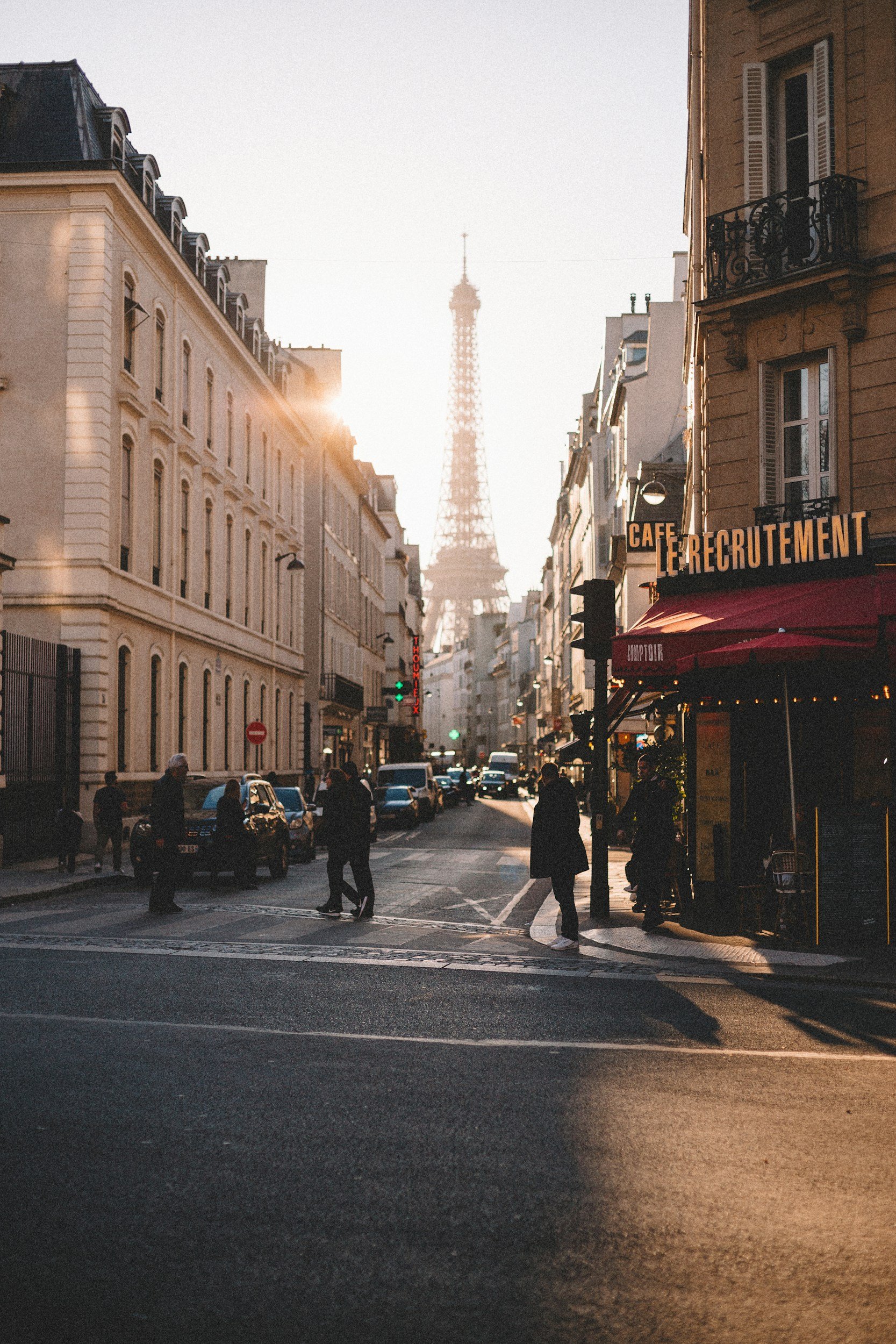
"Where should we stay in Paris?" is one of the first questions almost every traveler asks. It's also one of the hardest to answer well.
Most neighborhood guides rank arrondissements by "charm," "safety," or proximity to landmarks, as though every visitor wants the same trip.
They don't.
The best neighborhood for a family with young children is rarely the best choice for a couple hoping to wander home after dinner. A traveler who dreams about museums experiences Paris differently from someone planning their days around cafés, neighborhood markets, and long lunches.
Before choosing a hotel, I recommend choosing the kind of days you hope to have.
A neighborhood quietly shapes every morning, every evening, and many of the moments you'll remember long after you've returned home.
Choose the neighborhood first.
Choose the hotel second.
If This Is Your First Visit
Le Marais or Saint-Germain-des-Prés
The best first trip to Paris begins the moment you step outside your hotel.
You shouldn't need a map just to find your bearings.
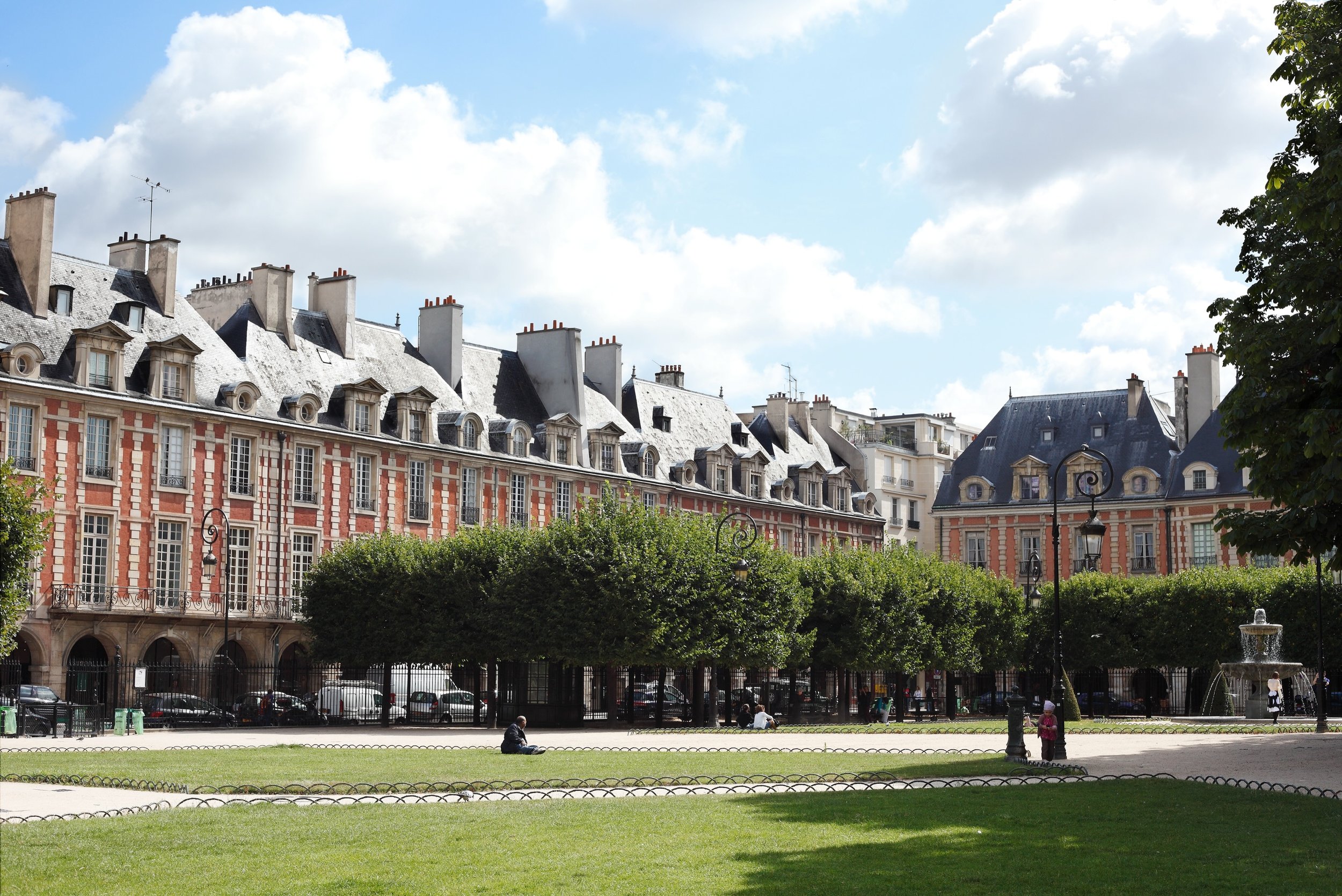
Le Marais (3rd and 4th arrondissements) places you among medieval streets, Place des Vosges, Rue des Rosiers, and within walking distance of Notre-Dame, the Louvre, and the Seine.
Saint-Germain-des-Prés offers another version of central Paris. Literary cafés, elegant boulevards, Luxembourg Gardens, and easy walks to the Latin Quarter or Musée d'Orsay make it feel slightly calmer and more refined.
Neither neighborhood is objectively better.
Le Marais feels energetic and layered.
Saint-Germain feels timeless and composed.
What it feels like
You leave your hotel with no particular destination. Within minutes you've already found a beautiful square, stopped for a coffee, wandered into a bookshop, and somehow ended up along the Seine before lunch. Paris begins to feel familiar almost immediately.
If You're Traveling with Children
Rue Cler & Invalides
Families often benefit from a neighborhood that isn't trying to entertain them every hour.
The area around Rue Cler, in the 7th arrondissement, offers quiet evenings, excellent food shops, nearby playgrounds, the Champ de Mars, and an easy walk to the Eiffel Tower.
Picking up pastries, fruit, or cheese for an impromptu picnic often feels easier—and more enjoyable—than another restaurant reservation.
It may feel less exciting than Le Marais.
That's precisely its strength.
What it feels like
Your mornings begin at the neighborhood bakery. Children run around the Champ de Mars before everyone slows down over lunch. By evening, the streets are peaceful enough that walking back to the hotel feels relaxing rather than exhausting.
If Restaurants Shape Your Trip
Le Marais or Canal Saint-Martin
Some travelers build their days around museums.
Others build them around dinner reservations.
If food is one of the reasons you're coming to Paris, these neighborhoods offer two very different experiences.
Le Marais combines historic institutions with contemporary restaurants that have helped define modern Paris dining.
Canal Saint-Martin is where many younger chefs have chosen to open intimate restaurants, creating a dining scene that feels more residential than polished.
Neither neighborhood is trying to impress you.
They're inviting you to linger.
What it feels like
Meals stop feeling like appointments and begin to shape the day itself. In one neighborhood, you sense the quiet confidence of places that have welcomed Parisians for decades. In the other, you notice the excitement of a city still experimenting. Both remind you that some of the best conversations about Paris happen around a table.
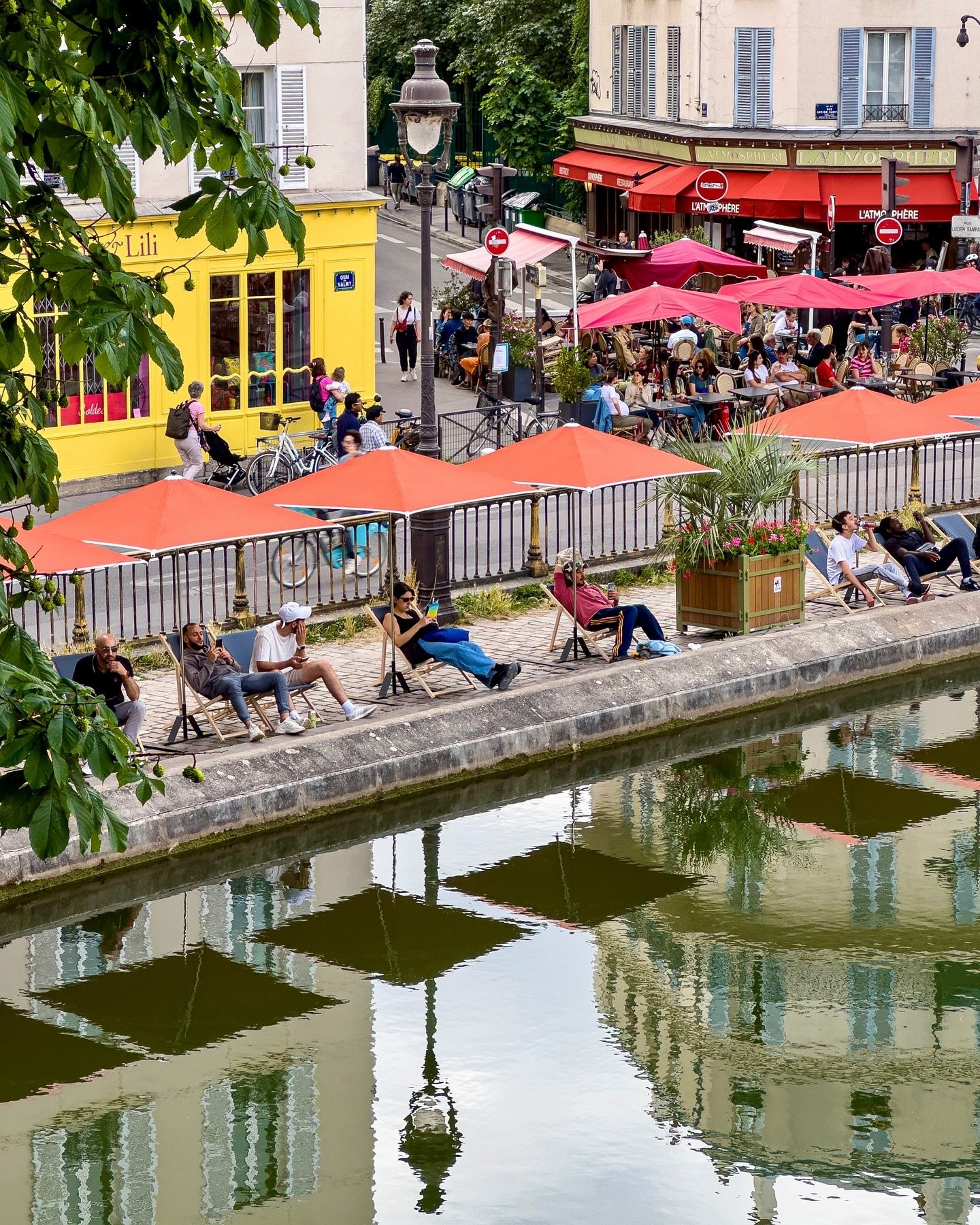
Credit: @elisabarg
If You're Looking for Romance
Saint-Germain-des-Prés or Île Saint-Louis
Romance in Paris has less to do with monuments than rhythm.
It's lingering over coffee.
Walking home after dinner.
Crossing the Seine without checking the time.
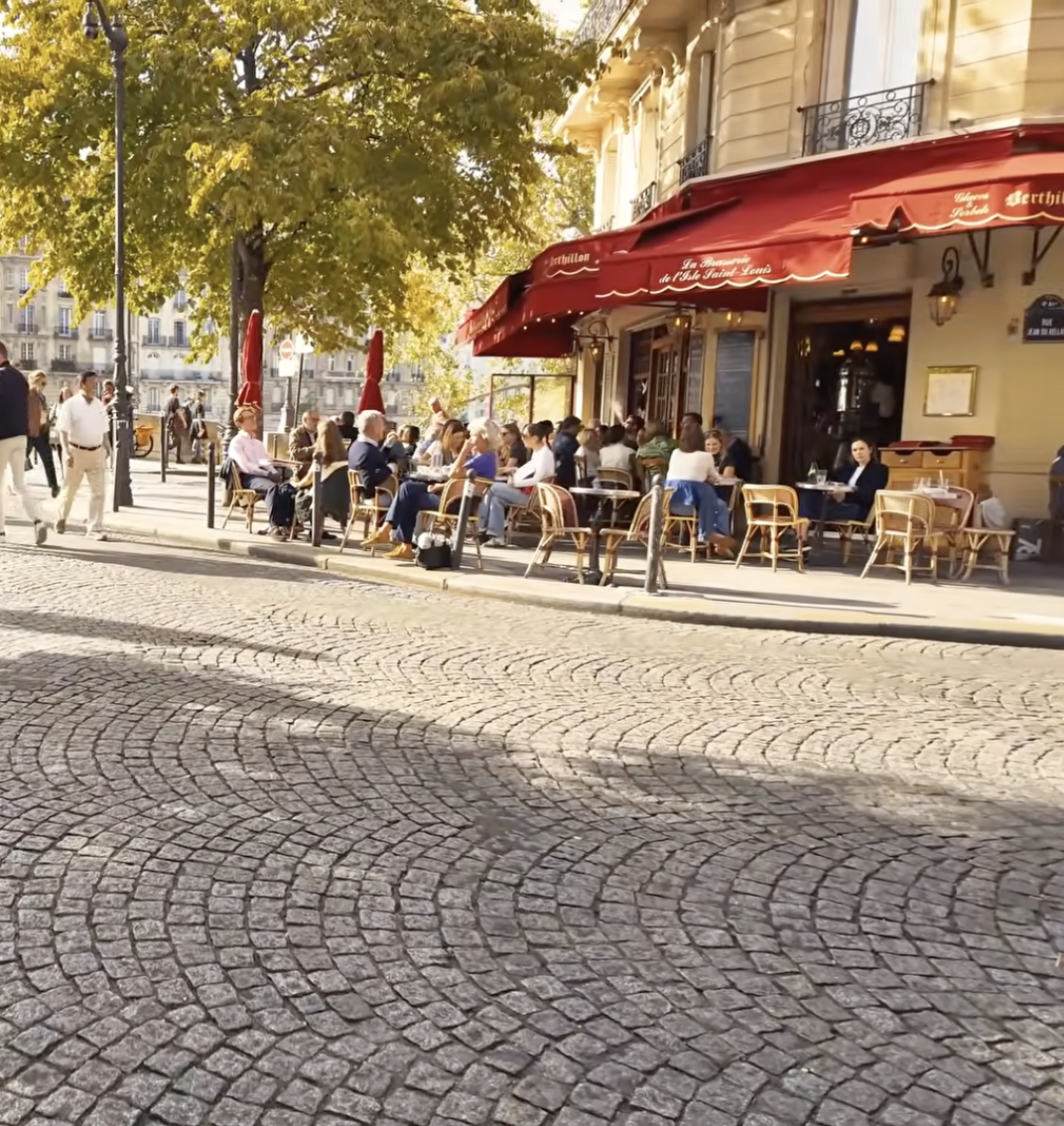
Île Saint-Louis offers extraordinary quiet in the middle of one of Europe's busiest cities.
Saint-Germain surrounds that same sense of romance with cafés, bookstores, galleries, and restaurants that encourage long afternoons.
What it feels like
You stop keeping track of time. Even simple moments—a walk across a bridge, an afternoon reading in a café, sharing ice cream beside the Seine—become the memories you talk about after returning home.
If You're Traveling on a Budget
Belleville or the Eastern Edge of the 11th
Saving money doesn't have to mean sacrificing the experience.
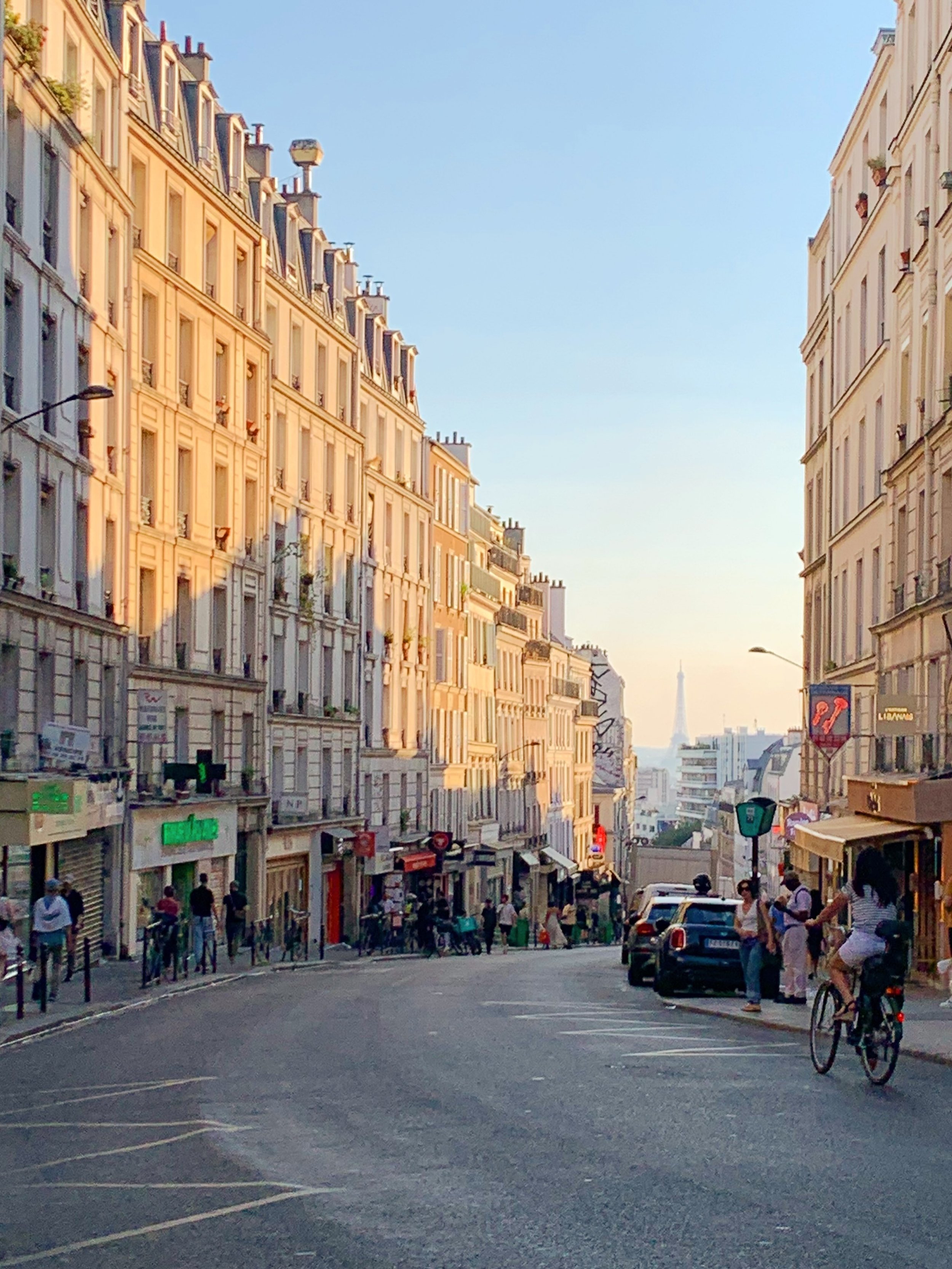
Belleville offers one of Paris's most culturally diverse neighborhoods, vibrant food, lively markets, and remarkable views across the city.
The eastern edge of the 11th balances affordability with independent cafés, restaurants, and easy métro access.
I'd gladly trade a slightly larger hotel room for a neighborhood with more character.
What it feels like
Instead of feeling like you're visiting a postcard, you begin to notice everyday Paris. Schoolchildren walk home in the afternoon. Markets wind down for the day. Neighbors greet one another on familiar streets. You experience a city that continues long after the sightseeing ends.
Credit: @silvia.t.82
If You Want Evenings That Last
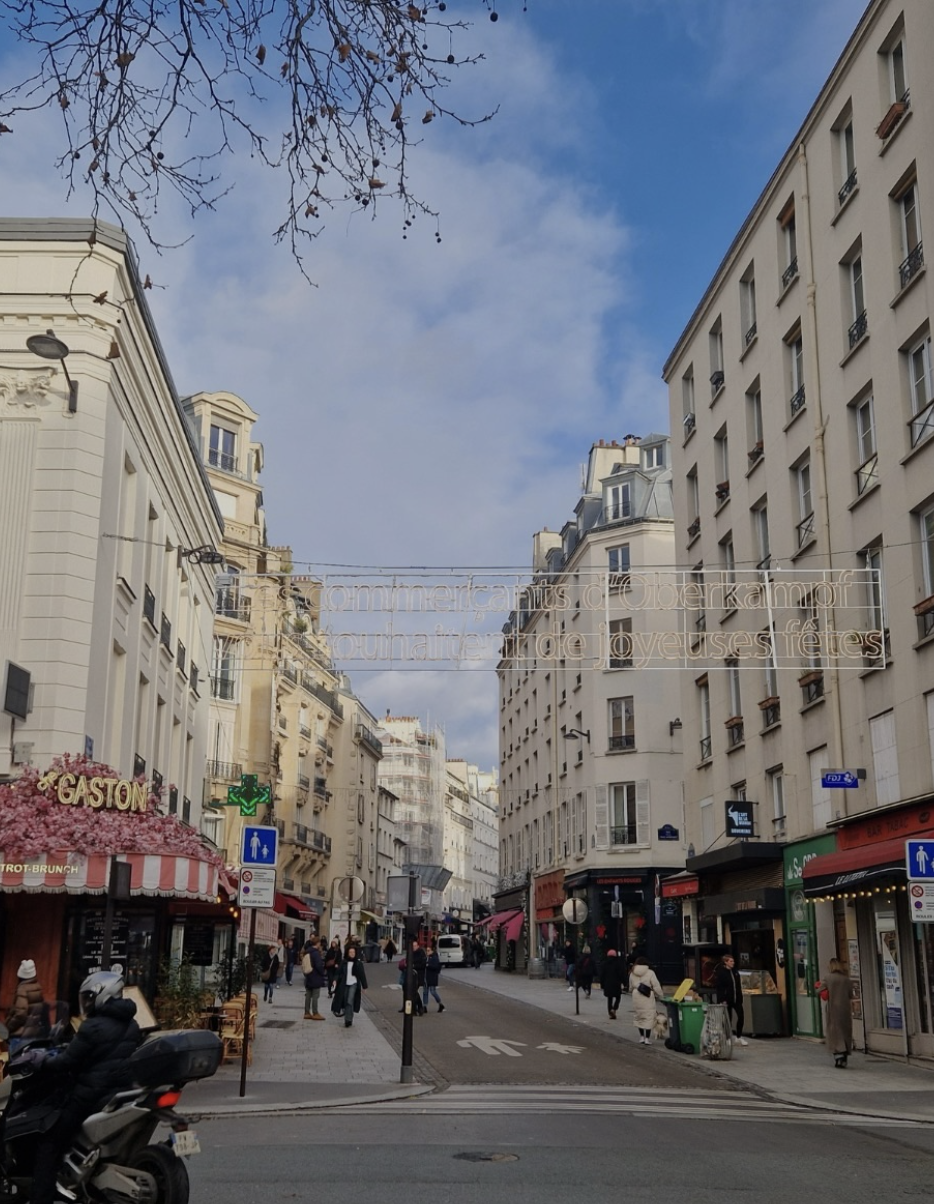
Oberkampf & Bastille
Some neighborhoods come alive after sunset.
This is one of them.
Wine bars fill the sidewalks, restaurants become gathering places, and conversations continue well into the evening.
If your ideal Paris includes long dinners and spontaneous second stops rather than early nights, you'll likely feel at home here.
What it feels like
Dinner finishes, but no one is ready to go home. One drink becomes another. Music drifts from nearby bars. The streets remain full of life long after midnight, yet somehow still feel unmistakably Parisian.
If the Hotel Is Part of the Experience
The Golden Triangle or Place Vendôme
Sometimes the destination isn't simply Paris.
It's the hotel itself.
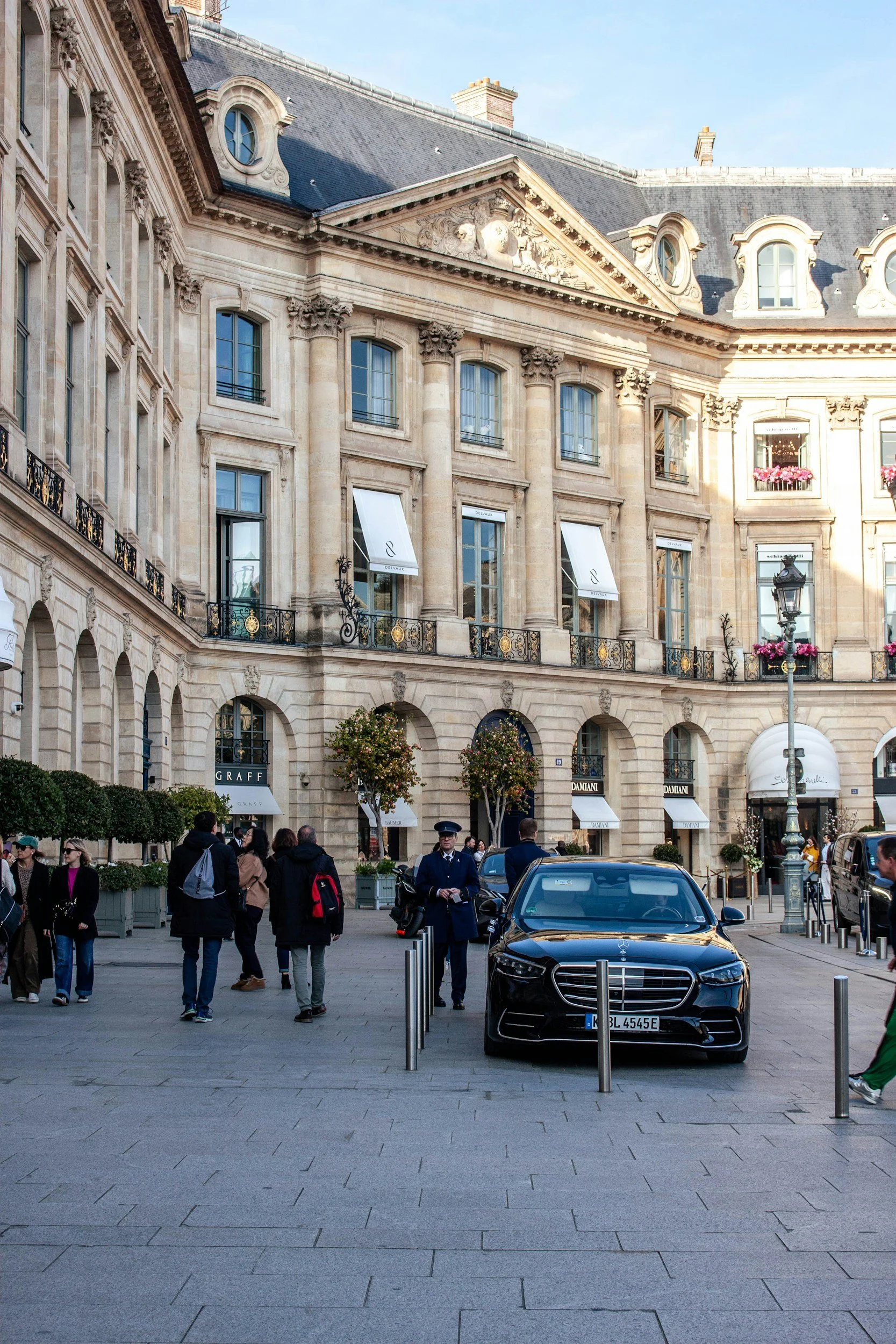
The Golden Triangle and Place Vendôme are home to many of the city's grand hotels, flagship fashion houses, and refined service.
Here, beautifully designed rooms, exceptional concierge teams, and elegant public spaces become part of the journey.
What it feels like
Returning to your hotel feels like returning to a sanctuary. Afternoon tea becomes part of the day's rhythm. You find yourself lingering in the lobby as much as exploring the city beyond it.
The Field Guide Perspective
One piece of advice shapes almost every Paris itinerary I design:
Choose the neighborhood before you choose the hotel.
Many travelers spend weeks comparing room sizes, breakfast offerings, and review scores while giving surprisingly little thought to where they'll actually be living for the next several days.
Yet the neighborhood determines far more than the hotel ever will.
It decides where you buy your morning coffee.
Whether you walk home after dinner.
Whether Paris begins to feel familiar by your second day or remains a collection of disconnected attractions.
A modest hotel in the right neighborhood almost always creates a better trip than an exceptional hotel in the wrong one.
A Final Thought
There isn't a single "best" neighborhood in Paris.
There is only the neighborhood that best reflects the journey you hope to have.
Every itinerary I design begins by understanding how you want a place to feel—not simply what you want to see. Once that becomes clear, choosing the right neighborhood—and building the rest of the journey around it—becomes remarkably straightforward.
Planning a trip to Paris? I'd be happy to help you find the neighborhood—and the rhythm—that fits the journey you're hoping to have.